

How to create a functional workshop in a single-car garage?
Creating a workshop in a single-car garage seems easy, but it's not when you need to park your car inside every night. In many U.S. neighborhoods, finding street parking is hard. Leaving your driveway spot open is important when guests arrive. If you don't have a basement or spare room, your garage must handle everything.

But, you can design a great workshop without losing parking space. It's all about treating it as a design problem, not a quick cleanout. Most successful garage setups come from a solid plan, a quick reset routine, and tools that move easily when needed.
Think about what you need to fit: a table saw, miter saw, hand and power tools, and small parts like fasteners and screws. Don't forget painting, plumbing, electrical, and drywall tools, plus ladders, bicycles, and car supplies. With smart organization and the right storage, you can start working as soon as you move the car out, then reset quickly.
You don't have to do it all at once. Converting a single-car garage can take about a month if you break it into short sessions. This approach won't hurt your back or schedule. It also lets you test what you really use before committing to anything.
Choose durable storage that can handle daily wear. FOXNGEAR offers metal storage solutions with a clean look, like heavy-duty pegboards and mobile welding carts. In a small garage, this durability keeps your setup steady as you refine the layout and free up floor space.
Key Takeaways
- A single-car garage shop can work without losing the ability to park inside.
- Start with a clear workshop layout before moving tools or building benches.
- Small workspace organization depends on keeping floors open and tools easy to reset.
- Garage storage solutions matter most for fasteners, hand tools, and bulky gear like ladders.
- An efficient workspace design supports a simple routine: move the car out, start working, then reset.
- Staging the project over weeks is often more realistic than a one-day overhaul.
Define your single-car garage workshop layout before you move anything
Start planning your single-car garage workshop on paper, not on the floor. This way, you save your parking space and avoid redoing your layout. It's the best way to organize a small workspace without feeling overwhelmed.

Measure the space and sketch zones using real dimensions
Use a tape measure to get the exact dimensions of your garage. One garage was 12.5 feet wide and 24.5 feet long. This size was big enough to sketch out zones confidently.
Draw a parking lane, a work zone, and storage zones on the walls. If you plan to keep a Bosch miter saw and lumber set up, mark its spot. This keeps your tools in place and saves you from moving them every weekend.
Plan to keep the bulk of the workshop to one side for door clearance
Decide which side will hold the heaviest tools before placing anything. This keeps the driver's door clear when you back in. It makes your workshop feel practical, not just possible.
Use wall storage to keep big items off the floor. Racks, peg zones, and shelves can hold clamps, cords, and tools. This makes your workspace comfortable and organized every day.
Dry-fit your layout with a trial park to confirm the car and tools both fit
Test your layout before making any permanent changes. Park the car and check if everything fits. If it's too tight, adjust the zones while it's easy.
Use an 8-foot board to mark the parking spot. Then, check your layout with the garage door closed. This changes how the space feels. Once you're sure, you can plan for upgrades like a charging station and more storage.
Declutter fast by removing what blocks floor space and parking
The quickest win is clearing anything that steals your driving lane or keeps rolling tools from moving safely. Think of it as small workspace organization with one rule: if it blocks parking, it goes first. This step also sets you up for diy workshop storage that actually fits your new layout, not your old habits.

A bulky lumber bin that sticks out too far can be the difference between indoor parking and street parking. Pull it out, open a center aisle, and you’ll feel the space change right away. Once the floor is open, it’s easier to plan garage storage solutions without tripping over clutter.
Purge duplicates, donate unused tools, and throw out true trash
Any time the garage is fully emptied for upgrades—like wall work or replacing old racks—it’s the perfect window to purge. As shelves, hooks, and pegboard come down, you’ll spot duplicates and tools that haven’t been touched in years. Donate what’s useful and keep the rest of your garage storage solutions simple.
Be honest with materials, too. Sort boards into “good,” “maybe,” and “garbage wood” you won’t use. Haul unusable pieces to the dump, and cut clean untreated boards into fireplace kindling to reduce waste while keeping diy workshop storage under control.
Set small, obtainable cleanup goals to avoid burnout and injuries
Heavy cleanouts go better in short sessions, not marathon days. Split tasks by material—tile one day, wood another—and aim for small, obtainable goals over a few weeks. That pace protects your back and keeps small workspace organization steady.
- Use large reusable yard bags for debris so you can load, dump, and reuse them.
- Keep a heavy-duty moving dolly nearby for appliances, lumber, and loaded totes.
- Stop each session by resetting a clear walkway so home garage tool storage stays accessible.
With the floor open and decisions made, professional storage solutions become much easier to maintain because everything has a safer path to move in and out.
Garage storage solutions, Space-saving workshop furniture, DIY workshop storage
In a single-car shop, keep the floor clear for parking. A work table in the center lane means constant shuffling. Garage storage solutions help keep the middle lane free for your projects.
Shift storage off the floor using vertical storage and shallow wall zones
Move storage up, not out, to save floor space. Vertical storage keeps gear within reach while freeing up walking space. Use wall-mounted racks and shelves that don't block door swings or car access.
For the car side, use a thin “service strip.” Hang shallow shelving that folds back when not in use. Stock it with essentials like wax, oil, and rags. This setup keeps supplies accessible without cluttering the bay.
- Hand tools and power tools near the bench area
- Fasteners in labeled bins at eye level
- Lumber on wall racks to prevent floor piles
- Ladders and bikes hung flat to save aisle space
Use collapsible tables so big surfaces exist only when you need them
For big surfaces without losing bay space, use collapsible tables. A wooden table can expand to 11 feet long for big projects, then folds up against the wall. This way, you have full-size capability without sacrificing parking.
Before buying new, reuse what you have. Many shops work better by moving a miter saw to a smaller table. This saves space and money, making your workshop more efficient.
Create home garage tool storage that supports “move the car out, start working”
The goal is to be ready to work as soon as the car is out. Home garage tool storage should support this flow. Keep the most-used tools waist to shoulder height, and less-used items higher.
For more space, add one extra folding table instead of spreading tools. With the right furniture and a clear center lane, you'll spend less time setting up and more time creating.
Build a workspace that stays flexible with mobile workshop gear
In a single-car garage, space is precious. The trick is to make it appear when needed, then vanish. Mobile workshop gear helps by letting one bench do many jobs without taking up too much space.
Rolling a table forward for a cut and then tucking it back makes the room feel bigger. This is efficient workspace design in action. It means fewer obstacles, clearer paths, and faster setup.
Add industrial heavy-duty swivel caster upgrades so tables slide for long cuts
A tight shop can handle long boards if the table can move. Builders often switch to a shorter cutting lane and slide the bench out only when needed. Industrial heavy-duty swivel casters make this move smooth, even with heavy lumber on top.
For easier pulls, add two sturdy door pulls on the front edge of the bench. This lets you guide the table straight, keeping your stance stable. It also avoids yanking on a vise or clamp rail.
Choose a 350LBS capacity caster with break for controlled movement and safety
Rolling is helpful, but only if it stops on command. A 350LBS capacity caster with break adds control for feeding long stock, shifting heavy tables, or parking miter stands. Lock it before cuts, sanding, or hand-planing to prevent the bench from creeping.
- Match the load: include the benchtop, tools, and stored hardware in your weight estimate.
- Lock two wheels at minimum: it reduces twist when you push material across the surface.
- Check floor seams: expansion joints and cracks can snag small wheels.
Design around rolling tools so you can reconfigure for table saw, outfeed, or auto work
Plan your shop like a set of modules, not one permanent layout. A rolling bench can serve as a table saw outfeed surface, then slide aside for engine bay jobs or tire rotations. This mix-and-match approach keeps small workspace organization realistic when woodworking and car care share the same space.
To keep the flow simple, park rollable stations along one wall and leave a clear center lane. With mobile workshop gear placed on predictable “home” spots, your shop stays quick to reset. This supports efficient workspace design without constant reshuffling.
Upgrade wall organization with a heavy-duty wall organizer and metal pegboard system
In a single-car garage, wall space is key to getting organized. A heavy-duty wall organizer clears the bench and keeps tools within reach. It helps you quickly reset the shop when it's time to park.
Install a metal pegboard system to keep hand tools visible and easy to reset
A metal pegboard system makes tools easy to spot, even when you're busy. Unlike mixed bins and deep drawers, a pegboard keeps things clear. This way, each tool has a home you can return to in seconds.
If you've ever put up a pegboard, you know the value of a good plan. A sturdy metal pegboard also fits the industrial look many want. It matches the durable style of FOXNGEAR.
Use 1/4inch heavy duty pegboard hooks for reliable tool retention
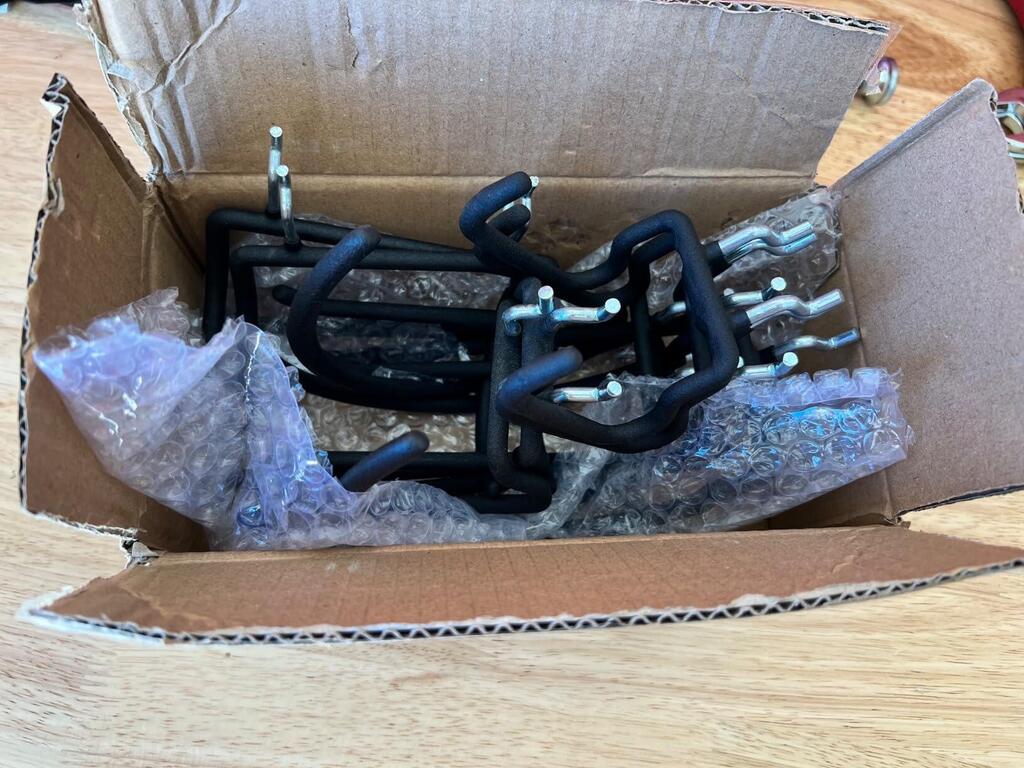
Weak hooks can ruin a pegboard. Use 1/4inch heavy duty pegboard hooks for tools that stay put. They won't pop off when you grab a drill, bump the wall, or shut the garage door.
A metal pegboard shines because it holds firm and the hardware feels locked in. This steady feel is important when you're moving quickly and putting tools back by habit.
Plan organizing workbench tools by category near the work zone (cutting, fastening, measuring)
Organizing workbench tools works best when the wall matches your workflow. Keep what you use together, and close to where you use it.
- Cutting: place snips, utility knives, and spare blades near saws or the cut station.
- Fastening: hang screwdrivers, bits, and drivers near the assembly area.
- Measuring: keep tape measures, squares, and markers where layout happens.
Complete the wall zone with clamp storage and a small battery charging station near the door. This way, grab-and-go tools stay ready. With the right layout, the heavy-duty wall organizer supports clean transitions between project mode and park mode.
Lighting, power, and comfort upgrades for an efficient workspace design
In a single-car shop, small upgrades make a big difference. The right mix of storage, light, and climate control makes the workspace efficient. This is done without taking up too much space from parking.
Add bright LED fixtures to cover every inch of the garage (even with the door closed)
Daylight is not always enough, and keeping the door open can be tough in summer. LED garage lighting makes sure the bench, saw area, and storage are well-lit. This is true even when the door is shut.
For easy control, plug new fixtures into a voice-activated outlet. This way, you can turn lights on with your hands full. If studs are spaced oddly, use mounting methods that allow for small adjustments. This ensures the layout fits where you need it.
Verify outlets and consider separating loads with an additional breaker if needed
A crowded circuit can trip easily when many things are running at once. If allowed by your panel and local code, an extra breaker can help. It separates heavy tools from general outlets, keeping work flowing.
- Check outlet locations at bench height so cords don’t cross walk paths.
- Group high-draw tools on their own run when possible.
- Keep switches and plugs reachable even with garage storage solutions on the walls.
Improve year-round usability with insulation, heating, and airflow strategy
Comfort upgrades are also productivity upgrades. Good insulation keeps temperatures steady. A simple heating unit, like a baseboard unit, can warm up the garage in winter without waiting for it to get warm all over.
Plan airflow like a path: fresh air in, dusty air out. Open the main door and a back door for a clean cross-breeze. This works well with dust collection for those sensitive to fine dust.
Optimize shallow storage and overhead zones to protect the car side
In a single-car garage, the driver-side path is key. Smart storage keeps this area clean for easy parking and exit. Use a mix of shallow and vertical storage to keep the floor open.
Store only very shallow items on the driver’s side to preserve entry/exit clearance
Keep the driver’s wall for only very shallow items. A slim car care station is perfect here. It holds essentials like car wash, wax, and oil without blocking the door.
Use a folding table near the car, but anchor it to the wall. A table that tips is a big problem in tight spaces.
Hang ladders and long tools flat to the wall to reclaim floor area
Long items take up a lot of space. Hang them flat and up to save room. Two aluminum ladders above a folded table is a great solution.
- Mount ladder hooks so the rails sit close to the drywall.
- Store long handles (rakes, levels, pipe clamps) parallel to the wall.
- Keep the “car side” slim, and push bulkier racks to the workshop side.
Protect walls with vertical boards where hanging items rub or impact
Ladders and long tools can damage walls. Add vertical molding boards where they hit most. Painted to match, these boards protect the walls and keep the garage neat.
This small change also helps organize small spaces. With shallow storage and wall protection, the garage feels more organized every time you park.
Industrial-grade garage accessories and FOXNGEAR storage picks for durability
In a single-car shop, gear gets bumped and moved around a lot. This is why you need strong garage accessories. Look for metal storage solutions that don't bend or loosen when things shake.
A sturdy structure is key. It keeps shelves straight, so bins slide smoothly in and out.
FOXNGEAR focuses on making metal storage that lasts in real garages. For everyday use, start with a heavy-duty wall organizer. It has a metal pegboard system to keep tools in sight and easy to find.
When you weld, space is a big issue. A 3-tier welding cart with tank storage is perfect. It's sturdy for mig tig welder work and easy to move around.
For quick jobs, have a FOXNGEAR 16" portable metal toolbox by the door. This tool case is great for quick fixes. It keeps your essential tools safe and organized, even in a busy garage.
FAQ
How do I build a real workshop in a single-car garage and park a vehicle inside?
Think of the center floor as a parking lane, not for storage. Plan first, then declutter. Add storage solutions like vertical shelves and a pegboard system. This way, you can quickly switch from parking to working.
What realistic constraints should I plan for in a single-car garage workshop layout?
Many homes have only one garage and one driveway spot. You might need the car inside to save visitor parking. With no basement or spare room, focus on organizing tools without renting space or using street parking.
What tools and categories should a single-car garage workshop layout accommodate?
Plan for a table saw, miter saw, hand and power tools, and fasteners. Also, include painting, plumbing, electrical, drywall tools, ladders, bicycles, and car supplies. A good layout leaves space for tools to move without blocking the parking lane.
Should I measure and sketch zones before I move anything?
Yes. Start with exact measurements and a quick sketch. One garage was 12.5 feet wide by 24.5 feet long. The sketch helped reserve space for parking, working, and storage.
How do I keep the driver’s door usable after backing into a tight single-car garage?
Keep most of the workshop on one side. This lets the driver’s door open. This strategy makes a big difference in usability.
What’s the best way to confirm the layout before installing storage or moving walls?
Do a dry-fit trial park. Measure the vehicle and mark a tire stop point. Check door swing, walking space, and if furniture can move without hitting the car.
What should I remove first when decluttering so parking becomes possible again?
Remove anything blocking the parking lane or stealing space. In one case, a bulky lumber bin was removed first because it blocked parking.
How do I make “keep” decisions with lumber and reclaimed wood in a small garage?
Be honest about what fits your new space. Sort lumber into usable and “garbage wood.” Cut down clean boards for fireplace kindling. Store long material in a garden shed to keep the garage clear.
How do I avoid burnout or injury during a full garage cleanout?
Stage progress over time. Break heavy work into manageable sessions. Use reusable yard bags and a heavy-duty dolly to reduce strain.
What’s the “floor is parking” mindset in a single-car garage?
It means keeping the center lane open for the car. Move work surfaces and piles to the walls using space-saving furniture and vertical storage.
What storage approach works best when my garage is narrow and I need to keep parking clearance?
Use DIY storage that goes up, not out. Vertical storage, shallow shelves, and a heavy-duty wall organizer work well. Shallow zones are best on the car side, with deeper storage on the opposite side.
How can collapsible surfaces help in a single-car garage workshop?
Collapsible tables save space. One large wooden table was 11 feet long but stored closed along the wall. It opened only when needed, saving floor space.
How do I create home garage tool storage that supports “move the car out, start working”?
Keep the main work zone ready. Hang daily-use tools on a pegboard, keep fasteners in labeled containers, and use a portable tool solution. This approach reduces setup time and makes resets faster.
Why should I put worktables and key stations on wheels in a single-car garage?
Wheels create space on demand. A smaller table footprint can handle long stock if it can slide forward temporarily. This is key to efficient workspace design.
What caster upgrade actually improves safety and control when moving heavy benches?
Choose industrial heavy-duty swivel casters that lock. A
350LBS capacity caster with a break helps control movement, even on dusty floors.
How does a metal pegboard system help in a tight garage workshop?
A metal pegboard system keeps tools visible and reduces clutter. It speeds cleanup and reset when the garage must return to parking. It also supports a cleaner look and is more durable than thin fiber pegboard.
What hardware should I use to keep heavier tools from falling off the wall?
Use 1/4inch heavy duty pegboard hooks to keep tools in place. Pair them with a heavy-duty wall organizer layout for secure retention.
How should I organize workbench tools so the workflow stays efficient?
Plan tools by category and place them near where they’re used. Keep cutting tools by the saw zone, fastening tools near assembly, and measuring/marking tools where layout happens. This reduces steps in a narrow single-car garage workshop layout.
What lighting upgrades matter most when natural light depends on an open garage door?
Install bright LED fixtures that light up every inch of the garage. When the door must stay closed, strong overhead lighting is essential for accurate cuts, safer movement, and better cleanup.
Do I need to upgrade power for a garage workshop?
Maybe. If you’re running multiple chargers, saws, and dust collection, verify outlet locations and consider an extra breaker. Good power planning prevents interruptions during work sessions.
What comfort upgrades help a garage workshop stay usable year-round?
Insulation and heat can make a big difference. Plan for fresh air in and dusty air out. Use the garage door and a back door when possible, and coordinate that with dust collection—important if someone in the home has asthma.
What if wall studs aren’t evenly spaced for mounting storage systems?
Build flexibility into your mounting plan. Use mounting rails, multiple anchor points, and careful layout before drilling. This ensures your heavy-duty wall organizer and metal pegboard stay secure and level.
How do I protect driver-side clearance while storing car-care supplies?
Store only shallow items on the driver’s side. A slim “car care station” with shallow shelving can hold wax, engine oil, and detailing supplies without blocking the door or forcing awkward exits.
Where should ladders and long tools go in a single-car garage?
Hang them flat to the wall or overhead to reclaim floor area. In one setup, space above a folded table became an ideal spot for two aluminum ladders, keeping the parking lane clear.
How can I protect the wall from damage in a tight garage?
Add vertical boards where hanging items rub or impact. Painted molding boards screwed into studs can prevent ladder scuffs and create a clean, industrial look.
How do I make folded tables and stored furniture safer around a parked vehicle?
Anchoring anything tall or top-heavy is key. Folded tables can be screwed to the wall, including fastening into a stud, to prevent tipping when parking close or walking tools past it.
What type of storage gear holds up best in a hard-working single-car garage?
Industrial-grade garage accessories made from metal are best. In a tight shop that resets often, metal storage solutions resist flex, sag, and loosening under daily loading and vibration.
What is FOXNGEAR’s positioning for single-car garage workshop organization?
FOXNGEAR focuses on engineering metal storage solutions that endure real-world use while maintaining a clean, industrial aesthetic. For a single-car garage, this supports vertical storage, fast resets, and durable systems that don’t get flimsy when space is tight.
Which FOXNGEAR products match a “roll out, work, roll back” garage workflow?
FOXNGEAR heavy-duty pegboards and a metal pegboard system form the backbone of a heavy-duty wall organizer zone for daily tools. For fabrication, a 3-tier welding cart with tank storage keeps a welder setup compact and movable, and an industrial heavy-duty swivel caster base helps it roll smoothly and lock in place.
How can a portable toolbox help when the garage needs to switch back to park mode?
A FOXNGEAR 16" portable metal toolbox works as a hand carry tool case for the tools you use most. Its robust structure keeps tools protected, and the grab-and-go format supports portable efficiency when you need to clear the bench fast and bring the car back inside.
How do I plan for future upgrades once the garage is cleared and easier to visualize?
Use the cleared space to plan in 3D and assign wall zones for a metal pegboard, narrow tables, a charging station near the door, dust collection, and automotive storage in the back. This approach reduces rework and helps each zone earn its footprint.
Are there reliable systems for heavy-duty wall storage beside standard pegboard?
Yes—metal pegboard and heavy-duty wall organizer systems are often more durable than thin fiber boards. For even more industrial rigidity, look at options like a hanteksteel-style metal pegboard panel approach and match it with 1/4inch heavy duty pegboard hooks for secure retention.


Leave a comment